We Handle Your HOA Fence Approval in Denver — Here’s How
Installing a fence in a Denver HOA community can be frustrating. Between architectural review committees, paperwork, and strict neighborhood guidelines, many homeowners run into delays before their project can even start.
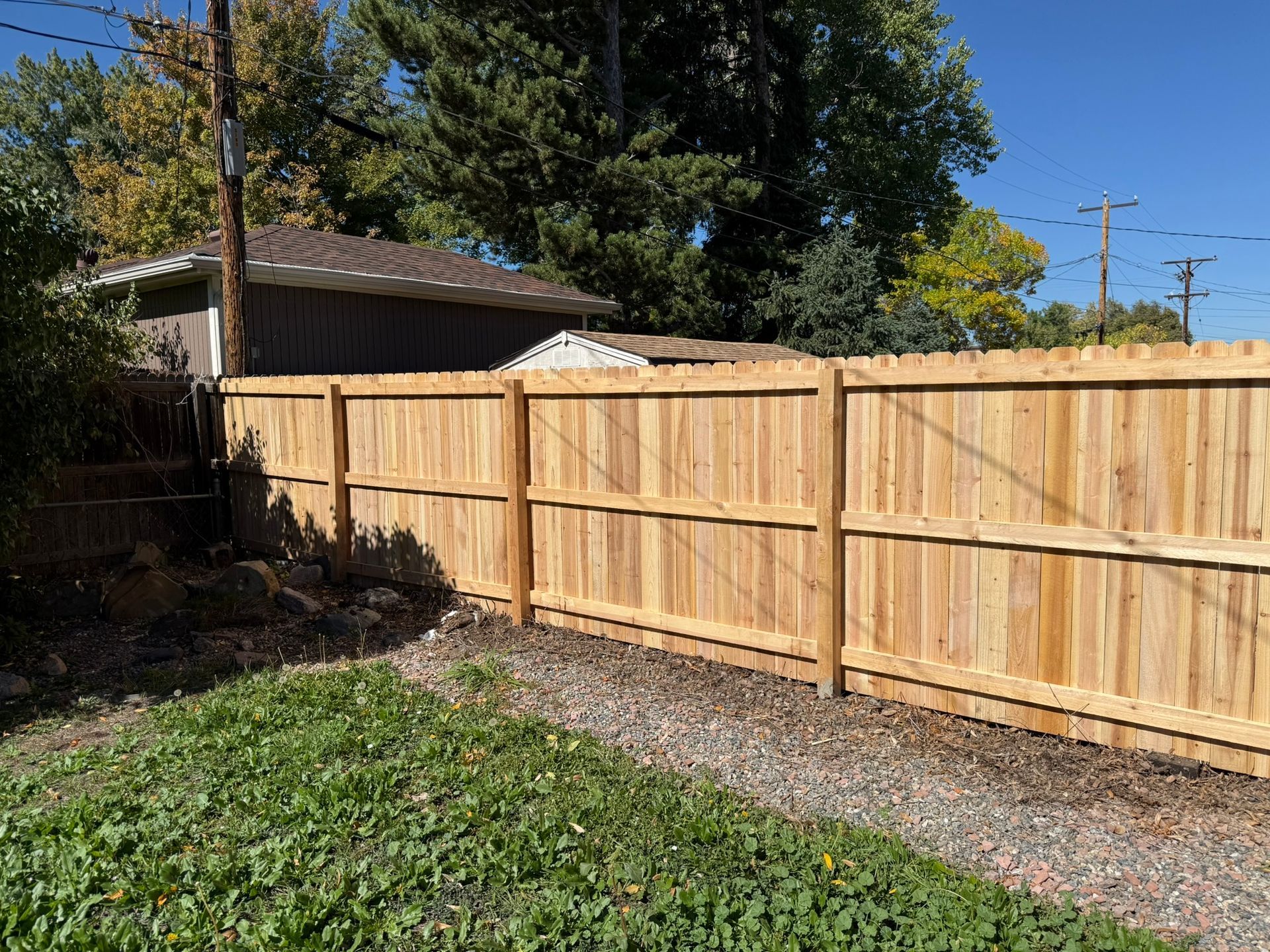
That’s why homeowners work with Great Neighbor Fence. Their team doesn’t just install fences — they help guide homeowners through the HOA approval process from start to finish, helping prevent delays, violations, and costly mistakes.
Here’s how they help simplify the process.
Step 1: Preparing Your HOA Architectural Packet
Most Denver HOAs require an Architectural Review Committee (ARC) or Design Review Committee (DRC) submission before any fence installation can begin.
Instead of leaving homeowners to figure this out alone, Great Neighbor Fence helps assemble the required information so your application is complete and ready for review.
A typical HOA architectural packet includes:
- Property layout showing the proposed fence location
- Fence style and design details
- Material specifications
- Color or stain selections
- Contractor information
Submitting a complete packet dramatically increases the chances of quick approval.
Step 2: Creating a Site Plan & Fence Layout
HOAs want to clearly understand where the fence will be installed.
Great Neighbor Fence helps document:
- Fence placement along property lines
- Gate locations
- Fence height changes (if applicable)
- Setbacks from sidewalks or easements
This visual layout allows the HOA to confirm that the project complies with neighborhood standards.
Step 3: Providing Material Specifications
Many Denver HOAs restrict which materials can be used.
Common HOA-approved materials include:
- Cedar wood fencing
- Vinyl fencing in approved colors
- Ornamental steel or aluminum fencing
Great Neighbor Fence provides the exact material specifications required for HOA review, including product details and manufacturer information when needed.
Step 4: Supplying Color and Finish Samples
HOAs often enforce strict color requirements to maintain a consistent look throughout the neighborhood.
Your submission may include:
- Stain color selections
- Vinyl fence color options
- Matching fence styles used within the community
By selecting HOA-friendly options upfront, homeowners can avoid common reasons applications get rejected.
Step 5: Elevation Drawings for Fence Design
Elevation drawings show how the fence will look once installed.
These drawings help the HOA evaluate:
- Fence height
- Post spacing
- Design style
- Visibility from streets or neighboring properties
Providing clear visual documentation helps the review committee approve projects more efficiently.
Step 6: HOA Submission Assistance
Every HOA operates differently.
Some require online submissions, while others require printed applications submitted to the property management company or architectural committee.
Great Neighbor Fence helps homeowners understand:
- Where to submit the application
- What documents are required
- Typical review timelines
- What to expect during the approval process
This guidance helps eliminate confusion and prevents applications from being delayed due to missing information.
Why This Matters
Many homeowners don’t realize that installing a fence without HOA approval can result in:
- Violation notices
- Daily fines
- Forced fence removal
- Delayed home projects
Starting with a complete, compliant application helps avoid these problems entirely.
Let the Experts Handle the HOA Process
Navigating HOA paperwork can be one of the most frustrating parts of installing a fence in Denver.
Working with Great Neighbor Fence means you’ll have a team that understands local HOA expectations and helps ensure your project moves forward as smoothly as possible.
Avoid delays and fines — let us handle the HOA paperwork.
Contact Great Neighbor Fence today to schedule your estimate and get started on a fence project that meets both your needs and your HOA’s requirements.